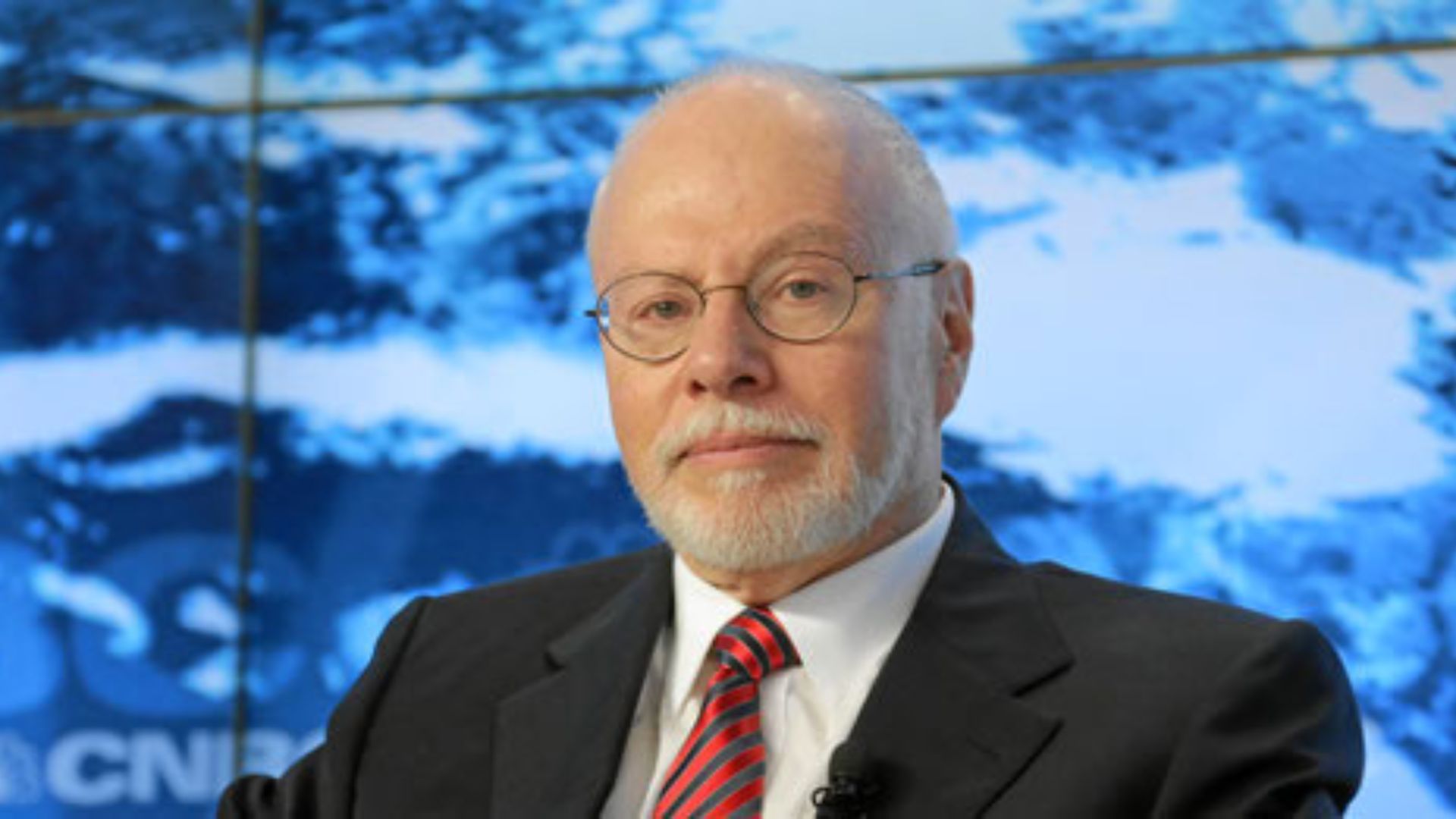
Paul Singer (Elliott Management): Portrait of a Feared and Strategic Investor
Paul Singer, founder of the hedge fund Elliott Management, is one of the most influential — and sometimes most feared — figures in global finance. Often described as a relentless strategist, he has established himself as one of the pioneers of contemporary shareholder activism. His career illustrates how a deep understanding of legal and financial dynamics, combined with methodical discipline, can transform a modest initial fund into a major player on the international stage.
This article retraces Singer’s trajectory, analyzes his influence in the corporate world, and highlights the reasons why his name inspires both respect and apprehension.
Read more: Activist Funds: How They Influence the Strategy of Large Corporations
From Modest Beginnings to the Building of a Financial Empire
Paul Singer began his career in the legal field after studying law and financial sciences. This dual background quickly became a decisive asset. In 1977, he founded Elliott Management with a few million dollars, a relatively small amount in the hedge fund world. Unlike many investors betting on risk-taking or market trends, Singer opted early on for a strategy built around rigorous analysis, prudent management, and the search for complex situations with hidden potential.
His approach consists of identifying companies or financial situations misunderstood by the market: restructurings, litigation, distressed debt, governance failures. This investment angle allows him to generate steady returns, even during periods of economic instability. This ability to withstand market cycles is one of Elliott Management’s signatures.
Gradually, Elliott became one of the most successful hedge funds in its category, with a stable track record over several decades. This consistency, rare in the industry, gradually attracted major institutional investors and gave Paul Singer international credibility.
The Assertion of a Structured and Deliberate Activism
Paul Singer is best known for his pioneering role in shareholder activism. While other funds focus on passive investments, Elliott adopts an interventionist approach based on extremely detailed analysis of a company’s inner workings.
Activism, according to Singer, is built on several structuring principles:
- an in-depth study of a company’s structural weaknesses,
- a clear diagnosis of the improvements needed,
- precise and well-argued communication with management,
- and, if necessary, public pressure to accelerate change.
Elliott Management does not hesitate to take significant positions in companies it considers poorly managed or undervalued. The objective is not to take control, but to obtain reforms: board renewals, governance improvements, cost rationalization, or asset divestitures.
This ability to profoundly influence the trajectory of global companies explains why Paul Singer is often described as a strategic investor capable of reorienting international groups over the long term.
Emblematic Operations That Shaped His Reputation
Several operations carried out by Elliott Management have marked the financial history of recent decades. They rely on a rare combination of legal combativeness and financial discipline.
Among the most emblematic operations are interventions in major international companies where Singer imposed a complete transformation of governance or strategy. Through public campaigns, media pressure, or legal procedures, Elliott often manages to obtain revisions of strategic plans, the sale of key assets, or the appointment of new executives.
Singer also stands out for his expertise in distressed investments, notably through the purchase of sovereign debt in default. In these operations, he does not hesitate to pursue complex legal actions to defend his fund’s interests. This posture has earned him a reputation as an intransigent negotiator, ready to carry his positions through to the end.
His skill in such situations demonstrates a rare understanding of the interactions between finance, law, and international relations.
A Profound Transformation of Corporate Governance
Paul Singer’s influence extends far beyond his own investments. Under the influence of activism by Elliott Management and other funds inspired by his model, corporate governance standards have undergone a major evolution over the past twenty years.
Leaders of publicly listed companies are now far more attentive to financial discipline, strategic communication, and operational performance. The potential arrival of an activist fund constitutes a strong signal that pushes many management teams to anticipate shareholder expectations.
Thus, Singer has contributed to spreading a culture of executive accountability, in which boards of directors must fully justify their strategic choices. This structural shift is now visible in many sectors: industry, technology, retail, transportation, and more.
Elliott also plays a determining role in the professionalization of boards, encouraging the appointment of independent members and sector experts. This evolution has strengthened the resilience and strategic effectiveness of many companies.
Persistent Controversies and Criticism
The activism practiced by Paul Singer naturally provokes criticism. Some observers accuse him of having an overly short-term vision, focused on immediate shareholder value at the expense of long-term investment. Others highlight the sometimes-intense pressure exerted on management teams, which can lead to rapid restructurings or substantial cost reductions.
Singer, for his part, defends an approach based on the idea that financial discipline and operational efficiency are necessary conditions for ensuring sustainable growth. The results obtained by Elliott Management in many operations tend to confirm that the transformations implemented, although demanding, often strengthen the long-term viability of companies.
A Legacy Extending Beyond the Financial Sphere
Beyond his role as an investor, Paul Singer has also engaged in philanthropic, educational, and political activities, creating a more nuanced image than the one often portrayed in the media.
His influence is undeniable: he has redefined the contours of shareholder activism, inspired many other funds, and profoundly changed the relationship between listed companies and their shareholders. His ability to identify structural weaknesses, craft strategies based on logic and precision, and drive large-scale transformations has left a lasting mark on contemporary finance.
Paul Singer therefore stands as one of the most formidable — yet also one of the most methodical — investors of his generation, an actor whose work has shaped the strategic environment of major corporations and continues to influence governance practices on a global scale.