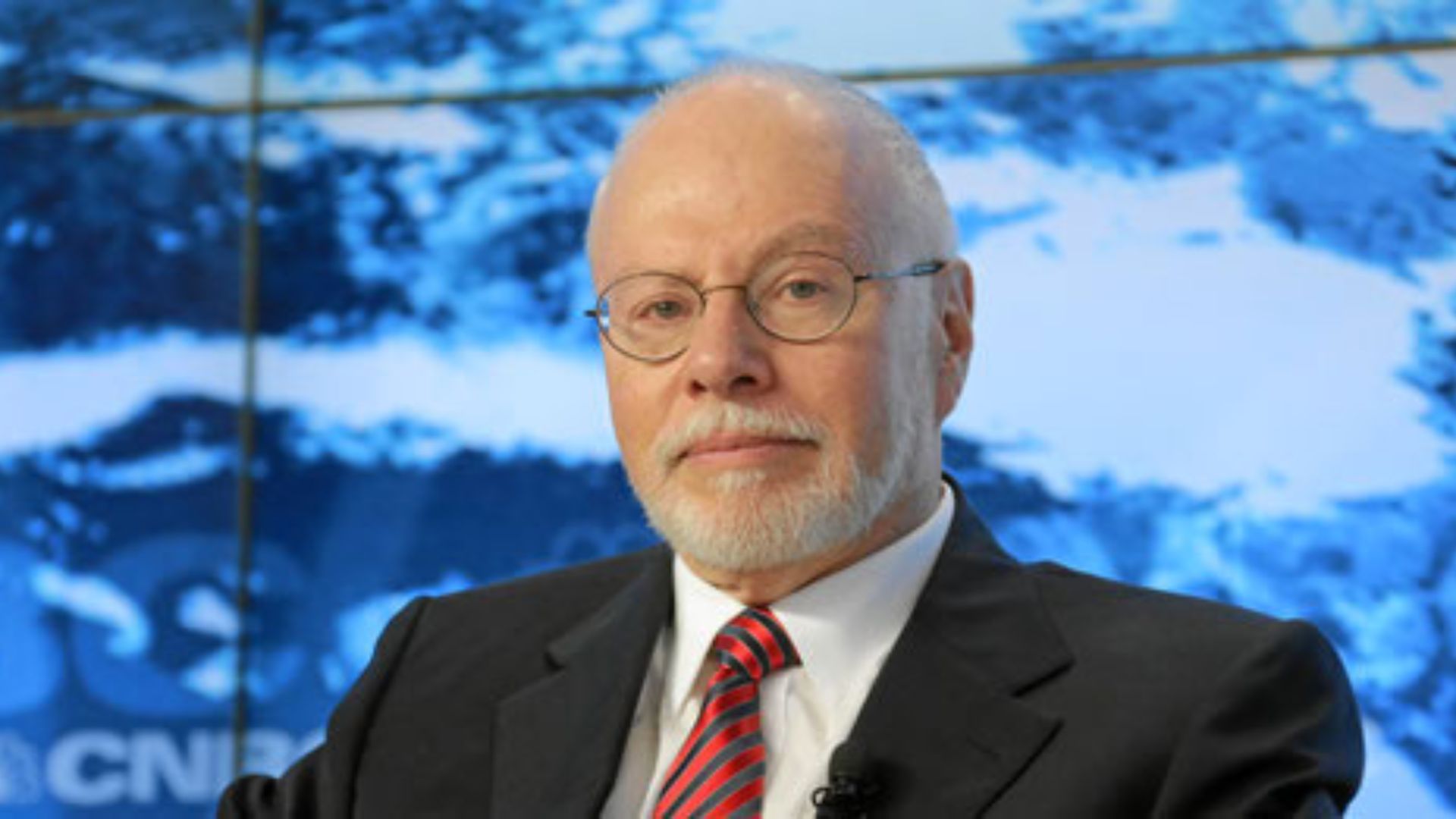
Warren Buffett: the investment principles that built Berkshire Hathaway
Few investors have left as profound a mark on the history of finance as Warren Buffett. Nicknamed the “Oracle of Omaha,” he became one of the richest people in the world thanks to an investment approach that appears, at first glance, surprisingly simple. Yet behind this apparent simplicity lies an extraordinary level of discipline, applied with remarkable consistency for more than sixty years.
At the helm of Berkshire Hathaway, Warren Buffett transformed a struggling textile company into one of the world’s most powerful conglomerates. Today, Berkshire Hathaway owns stakes in dozens of companies and fully owns numerous businesses operating in industries as diverse as insurance, energy, rail transportation, and retail.
Warren Buffett’s success is not built on spectacular bets, but on the methodical application of a handful of exceptionally sound investment principles.
Read more: Why some companies deliberately refuse to be sold?
Buy a business, not simply a stock
One of Warren Buffett’s most famous ideas is that a stock should be viewed as ownership in a business rather than simply as a financial asset.
While many investors try to anticipate the daily fluctuations of financial markets, Buffett focuses above all on a company’s economic fundamentals. He analyzes its business model, its ability to generate profits, the quality of its management team, and its long-term growth prospects over several decades.
This approach allows him to remain relatively indifferent to short-term market movements.
For Buffett, a stock price fluctuates every day, but the intrinsic value of a business evolves much more slowly.
Invest only in what you understand
Warren Buffett has always emphasized the importance of the Circle of Competence.
The principle is straightforward: an investor does not need to understand every sector of the economy. However, they must have a deep understanding of the industries in which they choose to invest.
For many years, Buffett deliberately stayed away from technology companies because he believed he did not understand their business models sufficiently well. It was only when he concluded that certain companies possessed sufficiently durable competitive advantages that he began investing in the sector.
Recognizing the limits of your own knowledge is often a strength rather than a weakness.
Look for durable competitive advantages
One of the central concepts of Buffett’s investment philosophy is the moat.
Just like the moat surrounding a medieval castle, an economic moat refers to a competitive advantage strong enough to prevent competitors from sustainably challenging a company’s position.
This advantage can take many different forms: a globally recognized brand, a distribution network that is difficult to replicate, exceptionally low costs, proprietary technology, or powerful network effects.
The stronger this protection, the greater the likelihood that a company will maintain high profitability for many years.
Buffett would rather buy a wonderful company at a fair price than an average company at a wonderful price.
The power of compound interest
One of the main explanations for Warren Buffett’s fortune lies in a phenomenon that is often underestimated: compound interest.
Rather than trying to generate quick gains, Buffett allows his investments to grow over several decades.
The profits generated are reinvested, producing additional profits, which in turn continue to compound over time.
This mechanism explains why relatively stable annual returns can produce extraordinary results when maintained consistently for fifty or sixty years.
In investing, time is often a far more powerful ally than the pursuit of exceptional short-term performance.
Unmatched discipline
Unlike many investors, Warren Buffett refuses to alter his strategy based on emotions.
When markets rise sharply, he avoids being carried away by excessive optimism. Conversely, when markets experience periods of crisis, he seeks to remain calm and take advantage of the opportunities created by lower valuations.
This discipline notably enabled him to make several major investments during periods of severe financial turmoil.
The ability to remain rational while other investors become emotional is one of Buffett’s greatest competitive advantages.
Berkshire Hathaway: much more than a stock portfolio
Contrary to a common misconception, Berkshire Hathaway is not simply a portfolio of publicly traded stocks.
The group wholly owns numerous companies operating in a wide range of industries, including insurance businesses, railroad networks, energy companies, industrial manufacturers, and retail businesses.
The cash flows generated by these subsidiaries are then used to finance new investments, creating a virtuous cycle of value creation.
Today, Berkshire Hathaway operates as a true ecosystem of businesses capable of financing their own growth.
Knowing how to wait for the right opportunities
One of Warren Buffett’s most remarkable characteristics is his patience.
He can go several months—or even several years—without making a major acquisition if he believes market valuations are too high.
Conversely, when markets become particularly pessimistic, he is capable of investing tens of billions of dollars within just a few weeks.
This discipline stands in sharp contrast to many investors who feel the need to remain constantly active.
In investing, doing nothing is sometimes the best possible decision.
A philosophy that remains relevant today
Although financial markets have evolved dramatically since Warren Buffett began his career, the principles that built Berkshire Hathaway remain highly relevant.
Understanding businesses before investing, focusing on the long term, maintaining rigorous discipline, investing within one’s circle of competence, and seeking durable competitive advantages continue to inspire both individual investors and the world’s leading investment funds.
While certain aspects of his strategy have evolved over time, his overall philosophy has remained remarkably consistent.
The best investors do not necessarily seek to predict the future; they seek above all to buy outstanding businesses capable of creating value for several decades.
Conclusion
Warren Buffett’s story demonstrates that exceptional investment performance is not solely the result of sophisticated financial models or excessive risk-taking. It is often the outcome of a consistent investment philosophy applied with discipline over many decades.
Perhaps Warren Buffett’s greatest lesson is that long-term investment success depends far more on discipline, patience, and the quality of one’s thinking than on constantly searching for the next financial home run.
For students aspiring to build careers in finance, understanding the principles that enabled Berkshire Hathaway to become one of the world’s most valuable companies provides an outstanding foundation for developing a genuine long-term investment mindset.